
"melt in"
2000 article(s) found

What is Japanese iced coffee? The origin of Japanese iced coffee comes from the difference between Japanese iced coffee and iced coffee.
Professional coffee knowledge exchange more coffee bean information please follow the coffee workshop (Wechat official account cafe_style) cold extract, ice brew, ice drop, Japanese iced coffee, do you understand? Why is it called Japanese iced coffee? Because legend has it that it was first created by the Japanese and spread to Taiwan during the Japanese occupation. However, everyone should think about this method of making iced coffee.

How does the sour and bitter in coffee come from?
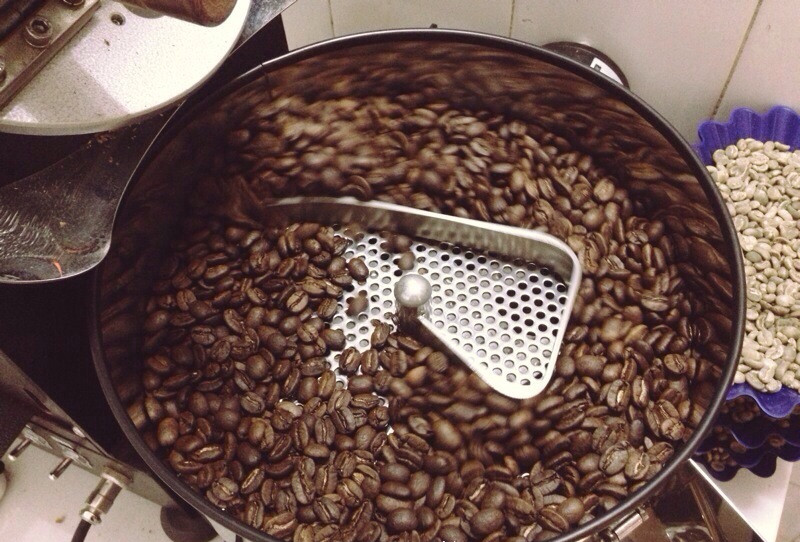
Many thermal and chemical reactions take place during baking: decarbonation, dehydration of quinic acid, subdivision, isomerization, polymerization, and complex sugar reactions (caramelization).
Basic chemical reactions that occur during coffee roasting
Many thermal and chemical reactions take place during baking: decarbonation, dehydration of quinic acid, fragmentation, isomerization, polymerization, and complex sugar reactions (caramelization). The main thermally reactive components are monosaccharides and sucrose, chlorogenic acid, displaced amino acids, and trigonelline amide. Both aravinone and calactose in polysaccharides are transferred, and basic sulfurization contains hydroxyamino acids.

Iced coffee with unique flavor
Iced coffee is not enough to add ice cubes to the coffee. In order to ensure that the coffee is melted and still has enough mellow flavor, there are far more coffee beans to be ground than hot coffee. Coffee is usually drunk while hot water is brewed, and if it cools, it loses a lot of its mellow aroma, because a lot of oil is lost with the loss of temperature. At this time
The basic chemical reaction of coffee roasting process
Many thermal and chemical reactions take place during baking: decarbonation, dehydration of quinic acid, subdivision, isomerization, polymerization, and complex sugar reactions (caramelization). The main components of the thermal reaction are monosaccharides and sucrose, chlorogenic acid, free amino acids, and fenugreek amide. Both aravinose and calactose in the polysaccharides are transferred, and the basic vulcanization contains hydroxylated amino acid.
The basic chemical reaction that takes place during coffee roasting.
Many thermal and chemical reactions take place during baking: decarbonation, dehydration of quinic acid, subdivision, isomerization, polymerization, and complex sugar reactions (caramelization). The main components of the thermal reaction are monosaccharides and sucrose, chlorogenic acid, free amino acids, and fenugreek amide. Both aravinose and calactose in the polysaccharides are transferred, and the basic vulcanization process includes hydroxylamine.

The basic chemical reactions that take place during coffee roasting
Many thermal and chemical reactions take place during baking: decarbonation, dehydration of quinic acid, subdivision, isomerization, polymerization, and complex sugar reactions (caramelization). The main components of the thermal reaction are monosaccharides and sucrose, chlorogenic acid, free amino acids, and fenugreek amide. Both aravinose and calactose in the polysaccharides are transferred, and the basic vulcanization process includes hydroxylamine.
Basic chemical reactions of coffee beans during coffee roasting
Many thermal and chemical reactions take place during baking: decarbonation, dehydration of quinic acid, subdivision, isomerization, polymerization, and complex sugar reactions (caramelization). The main components of the thermal reaction are monosaccharides and sucrose, chlorogenic acid, free amino acids, and fenugreek amide. Both aravinose and calactose in the polysaccharides are transferred, and the basic vulcanization process includes hydroxylamine.
The basic chemical reactions that take place during coffee roasting
Many thermal and chemical reactions take place during baking: decarbonation, dehydration of quinic acid, subdivision, isomerization, polymerization, and complex sugar reactions (caramelization). The main components of the thermal reaction are monosaccharides and sucrose, chlorogenic acid, free amino acids, and fenugreek amide. Both aravinose and calactose in the polysaccharides are transferred, and the basic vulcanization process includes hydroxylamine.
The basic chemical reactions that take place during coffee roasting.
Many thermal and chemical reactions take place during baking: decarbonation, dehydration of quinic acid, subdivision, isomerization, polymerization, and complex sugar reactions (caramelization). The main components of the thermal reaction are monosaccharides and sucrose, chlorogenic acid, free amino acids, and fenugreek amide. Both aravinose and calactose in the polysaccharides are transferred, and the basic vulcanization process includes hydroxylamine.

Iced coffee is not coffee with ice cubes.
Iced coffee is not enough to add ice cubes to the coffee. In order to ensure that the coffee is melted and still has enough mellow flavor, there are far more coffee beans to be ground than hot coffee. Coffee is usually drunk while hot water is brewed, and if it cools, it loses a lot of its mellow aroma, because a lot of oil is lost with the loss of temperature. At this time
The basic chemical reaction of coffee technology in the process of coffee roasting
Many thermal and chemical reactions take place during baking: decarbonation, dehydration of quinic acid, subdivision, isomerization, polymerization, and complex sugar reactions (caramelization). The main components of the thermal reaction are monosaccharides and sucrose, chlorogenic acid, free amino acids, and fenugreek amide. Both aravinose and calactose in the polysaccharides are transferred, and the basic vulcanization process includes hydroxylamine.
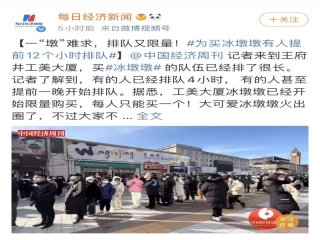
The ice pier, the mascot of Beijing Winter Olympic Games, is very popular! Coffee shop selling ice pier snow melting latte may be suspected of infringement?!
"all I want is an ice pier, but it's hard to find an ice pier. I think I can make an ice pier by myself. Do you think I can succeed in this way?" With the opening of the Beijing Winter Olympic Games, ice piers have become difficult to find overnight. Recently, the ice pier has become a "button cobalt ice pier", emitting a

Assemble your own ice-drop coffee pot and make ice-drop coffee at home. How much is this ice-drop coffee per cup?
Professional coffee knowledge exchange more coffee bean information please follow the coffee workshop (Wechat official account cafe_style) cold extract, ice brew, ice drop, Japanese iced coffee, do you understand? If you make your own iced coffee, you can also drink the mellowness of time at home! Most of the people who will start to try iced coffee have accumulated some coffee tasting experience. Different from hot water extraction or
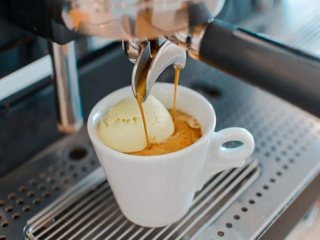
What is Avjiadu? The practice of Avjiado espresso? Is Afujiaduo delicious?
This cup of coffee with a beautiful name originated in Italy. The Italian original word Affogato is drowned or breathtaking/choking. It is rumored that the origin of this dessert drink is that someone accidentally put espre
Eight instant coffees make you melt quickly.
With the goal of convenience, simplicity and taste, instant coffee has conquered the stomachs of most people and has been sought after and loved by young people. In the face of instant coffee, which is so loved by the public, which of the eight brands do you prefer? Introduction to TOP1 Nestle: Nestle invented the world's first instant coffee Nestle coffee in 1938, and soon became popular all over the world.
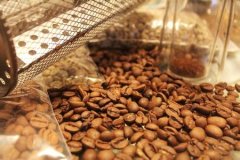
The basic chemical reaction that takes place during coffee roasting.
Basic chemical reactions that occur during coffee roasting author: Carl Staub originates from the SCAA baking color classification system, developed by Agtron SCAA 1995 original text from: http://www.sweetmarias.com/roast.carlstaub.html translation: Grant, http://www.baristacn.com/forum/thread-1583-1-1.html in the roasting process
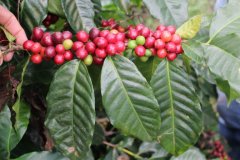
How long does coffee powder need to be brewed?_Coffee powder how to brew coffee_Coffee powder brewing method diagram
Professional coffee knowledge exchange More coffee bean information Please pay attention to coffee workshop (Weixin Official Accounts cafe_style) An anecdote about ear-hanging coffee Not long after a customer bought a certain brand of coffee, the telephone complaint department said loudly and angrily: Why can't your coffee melt, I have used a lot of water of different temperatures, still can't melt. So much trash,
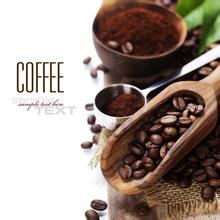
How to make a good cup of coffee
It is also important to note that in the process of sprinkling, do not sprinkle the foam in the same place of the coffee, that is, move the spoon back and forth, left and right, so that the foam dissolves evenly in the coffee as far as possible. The amount of foam is 1.5 to 2 times the amount of coffee, for example, one spoonful of coffee and two spoonfuls of foam. The reason for the ratio of coffee to foam is that ordinary instant coffee has many defects.
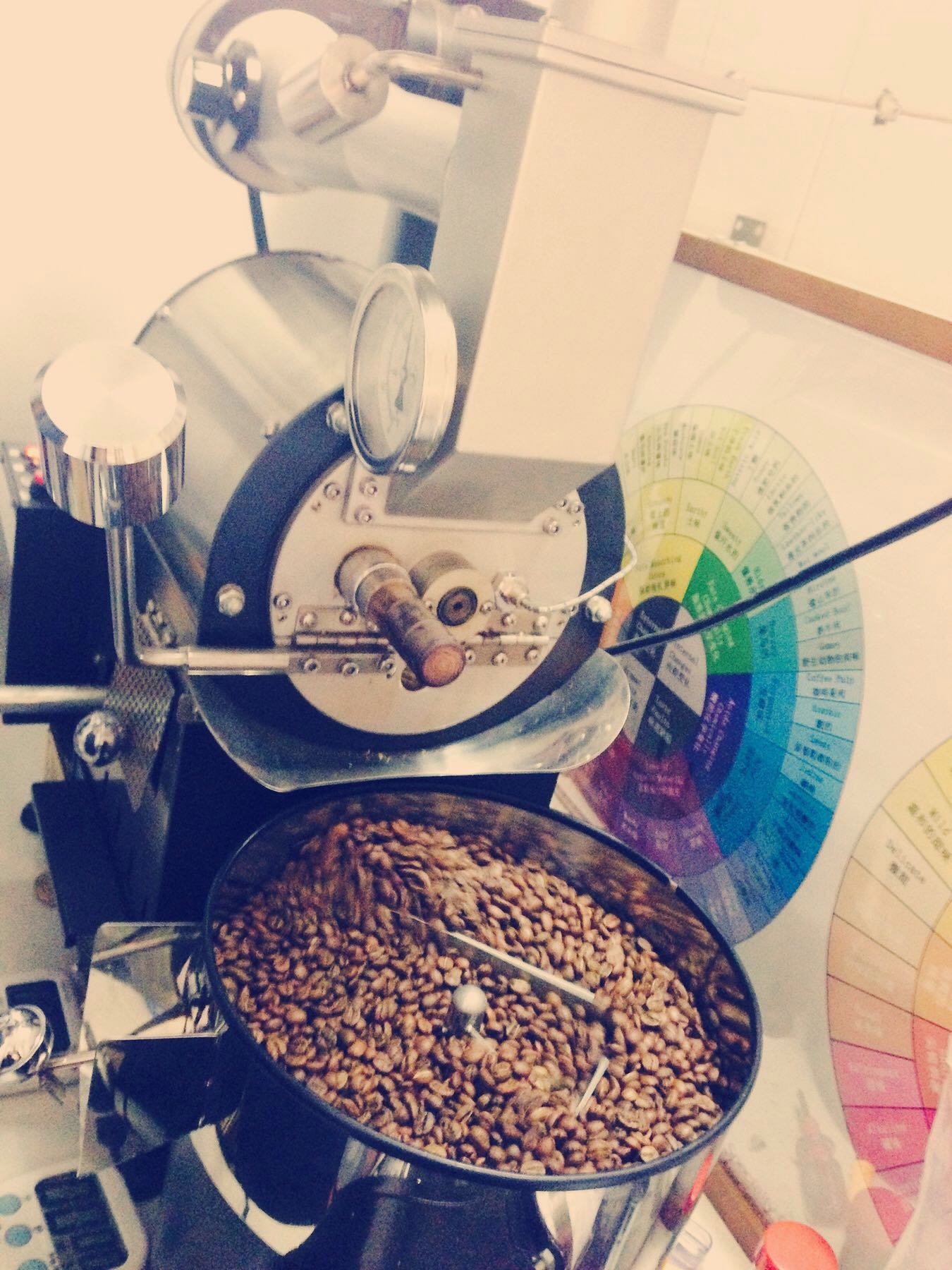
Key points of coffee roasting techniques: basic chemical reactions that take place during coffee roasting
Basic chemical reactions that occur during coffee roasting author: Carl Staub originates from the SCAA baking color classification system, developed by Agtron SCAA 1995 original text from: http://www.sweetmarias.com/roast.carlstaub.html translation: Grant, http://www.baristacn.com/forum/thread-1583-1-1.html in the roasting process